Burunge Wildlife Management Area
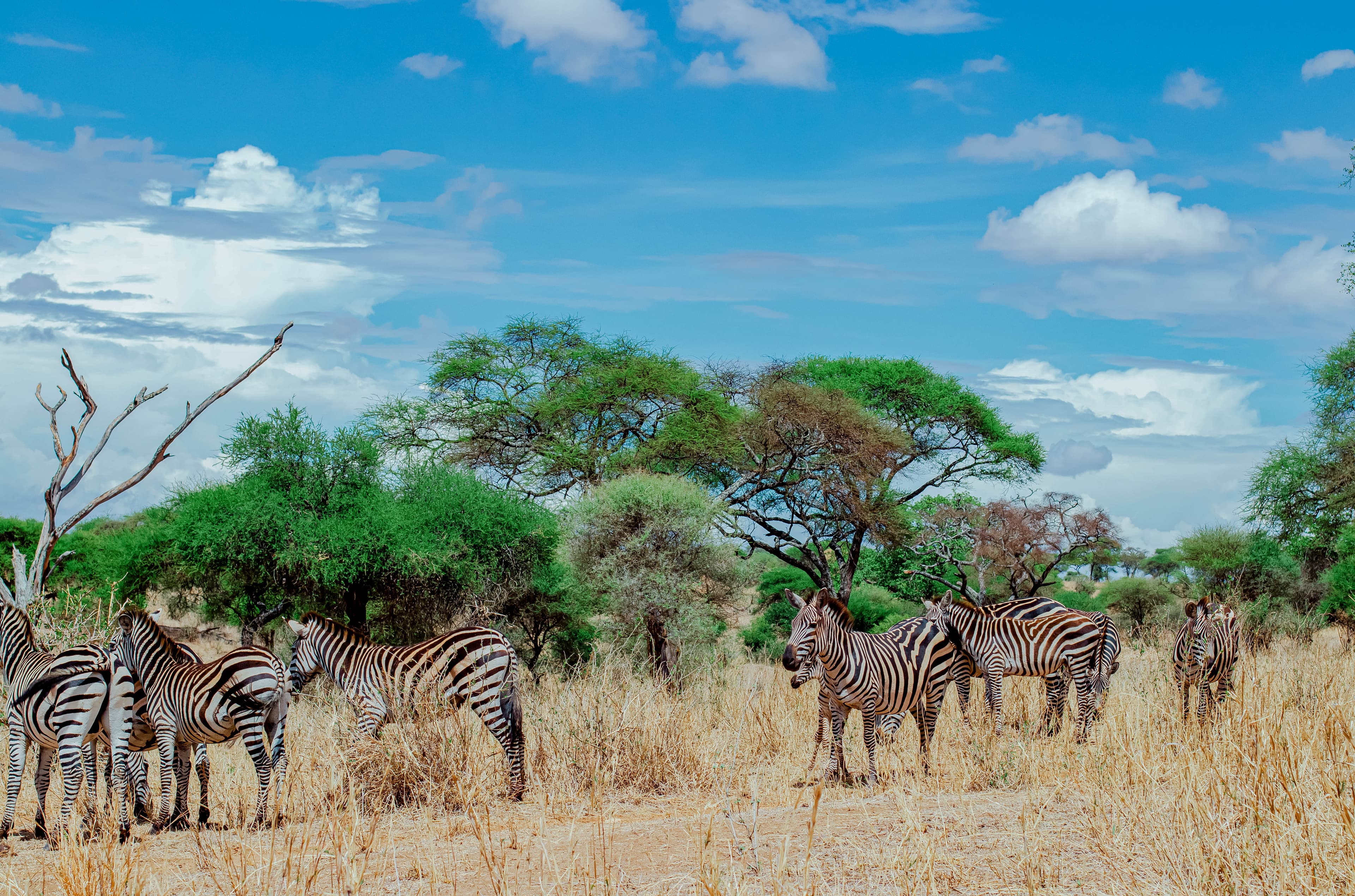
A 283 km² community-run wildlife management area on the Tarangire–Lake Manyara corridor, home to elephants, big buffalo herds and the flamingo-fringed shores of Lake Burunge.
Discover Burunge Wildlife Management Area
Burunge Wildlife Management Area (BWMA) is a pioneering community-based conservation area in the Mbugwe Division of Babati District, Manyara Region, in northern Tanzania. Covering roughly 283 km² of savanna, acacia woodland, baobab country and the soda-lake shores of Lake Burunge, it forms a vital ecological bridge between Tarangire National Park and the Lake Manyara ecosystem, protecting the Kwakuchinja wildlife corridor used by seasonal migrations. Established under Tanzania's 1998 Wildlife Policy, Burunge was among the country's first 16 pilot WMAs — registered as a community-based organisation in 2004, gazetted by Government Notice No. 37 of 2006 and granted full Wildlife User Rights in 2007. It is owned and governed by ten member villages across the Mwada, Nkaiti and Magara wards, who reinvest tourism revenue into health, education, water and conservation, and it is patrolled by more than forty trained rangers. Because it is community land rather than a national park, guides can offer experiences the parks cannot — walking safaris, night game drives, off-road driving in the private concessions, cycling and cultural visits with the Maasai and Mbugwe communities.
area
Place
Tanzania
Country
Manyara
Region
4
Nearby stays
What makes this place special
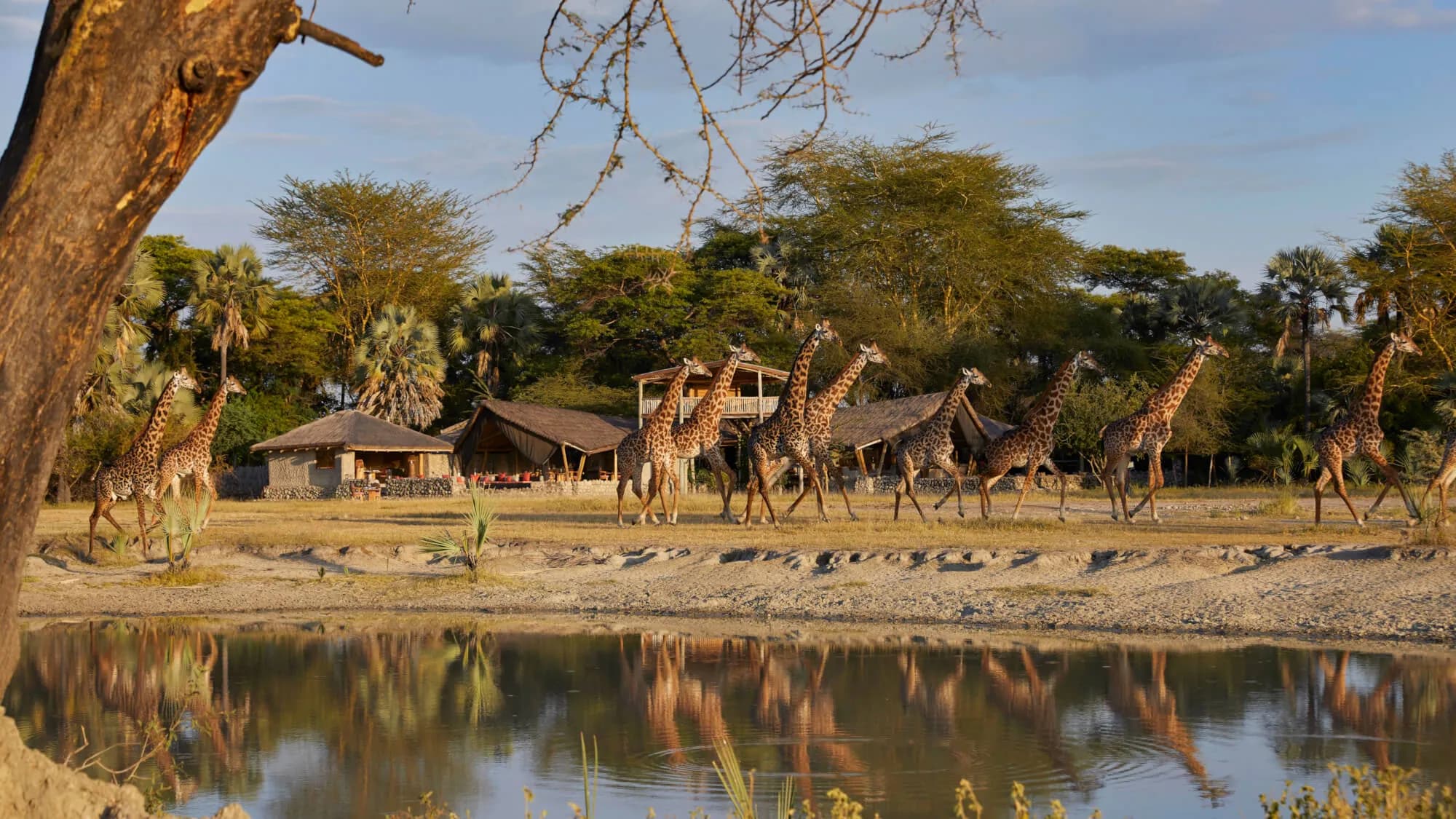
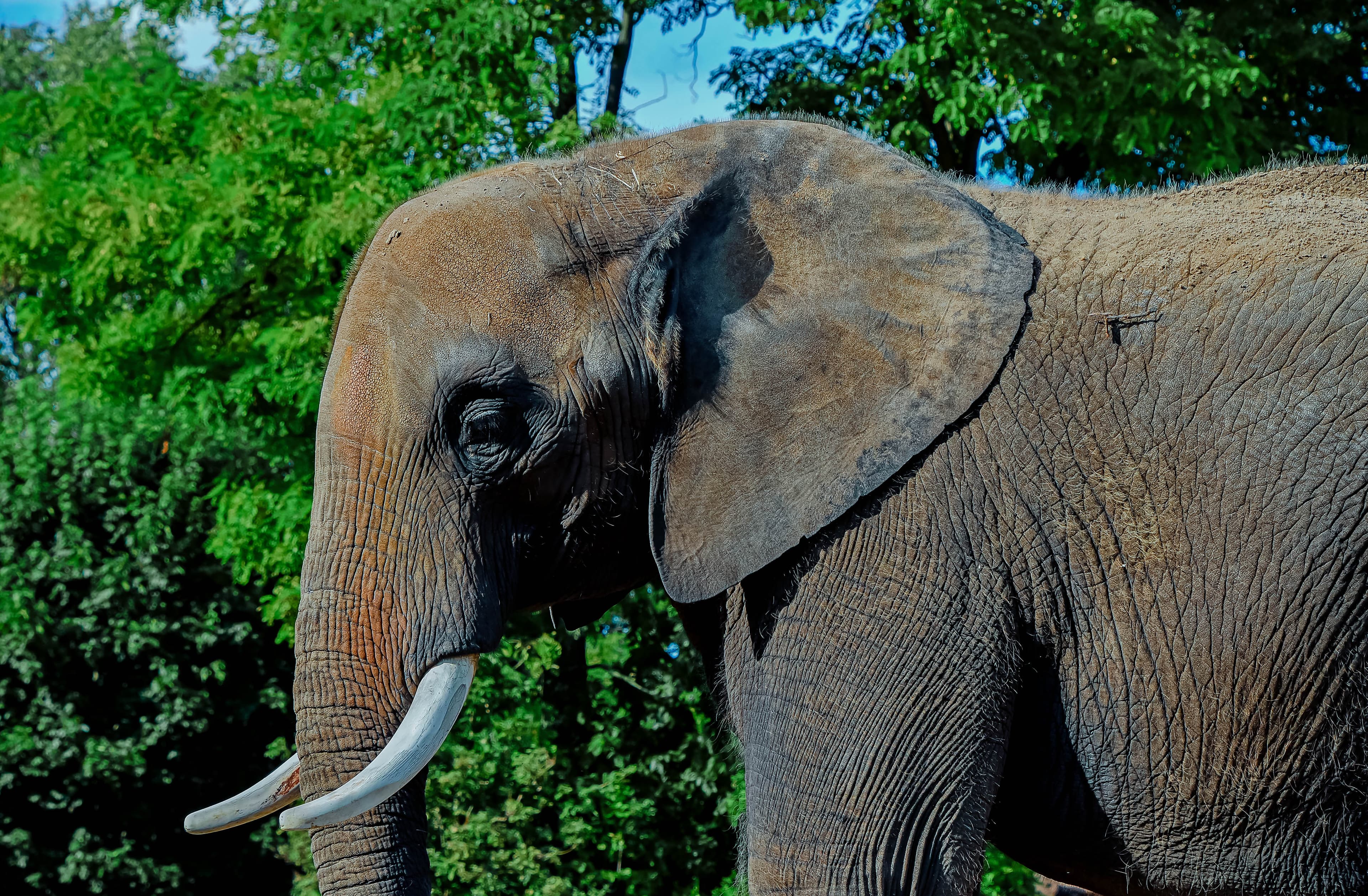
Burunge offers a quieter, more flexible safari right on the doorstep of the big parks — 18 km from the Tarangire gate and 10 km from Lake Manyara's southern boundary. Large elephant herds (the area is known for big-tusked bulls) and huge buffalo herds move in and out of Tarangire, while Lake Burunge draws flamingos, pelicans, hippos and more than 200 bird species. Off-road game drives, guided walking safaris, night drives for nocturnal wildlife, bush cycling and fly-camping are all possible here — none of which are allowed inside the neighbouring national parks — and every visit directly supports the ten communities that protect the land.
01
Wildlife corridor linking Tarangire National Park and the Lake Manyara ecosystem
02
Large elephant herds famous for big-tusked bulls, plus buffalo moving in from Tarangire
03
Lake Burunge (≈40 km²) with flamingos, pelicans, hippos and 200+ bird species
04
Walking safaris, night game drives and off-road driving — not permitted in the national parks
05
Baobab-studded savanna and classic northern-circuit scenery
06
Community-owned conservation: revenue funds health, water and education across ten villages
07
Cultural visits with Maasai and Mbugwe communities
Know before you go
Best time to visit
The dry season from June to October is best for classic game viewing, when water is scarce elsewhere and elephant and buffalo concentrate in the Tarangire ecosystem. The green season (November and March–April) is excellent for birdlife and flamingos on Lake Burunge, lush scenery and productive night drives, though some bush roads can be muddy. Wildlife is present year-round thanks to the lake and the corridor.
Location & access: Babati District (Mbugwe Division), Manyara Region, about 120 km (≈2 hours) from Arusha along the A104/B144 Great North Road. From Arusha drive to Makuyuni (≈85 km), then continue toward Babati; a signposted 'Burunge' turn-off lies about 29 km south of Minjingu, where a bush road leads into the tourism zone and the Lake Burunge lodges. The WMA is ~18 km from the Tarangire National Park gate and ~10 km from Lake Manyara's southern boundary; the nearest airstrip is Lake Manyara (~25-minute flight from Arusha). Entry/exit: the main named gate is Sangaiwe Gate on the Lake Burunge (southern) side; the WMA secretariat headquarters is at Mwada village. Fees (verify current rates): about US$10 per adult and US$5 per child conservation fee, plus a bed-night levy (~US$15), typically excluding VAT. Unlike the adjoining national parks, walking safaris, night drives and off-road driving are permitted. Contact: +255 682 273 650, burungewma@gmail.com, burungewma.com.