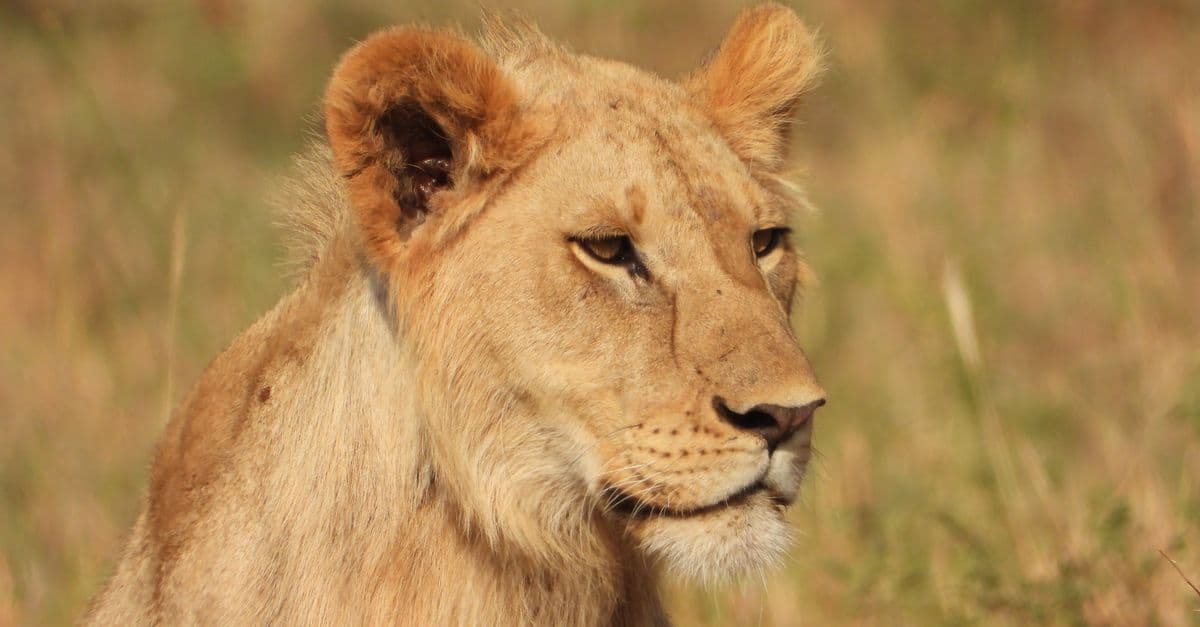
East Serengeti
A remote, predator-rich region of the Serengeti famous for its expansive plains and the annual calving of the Great Migration.
Discover East Serengeti
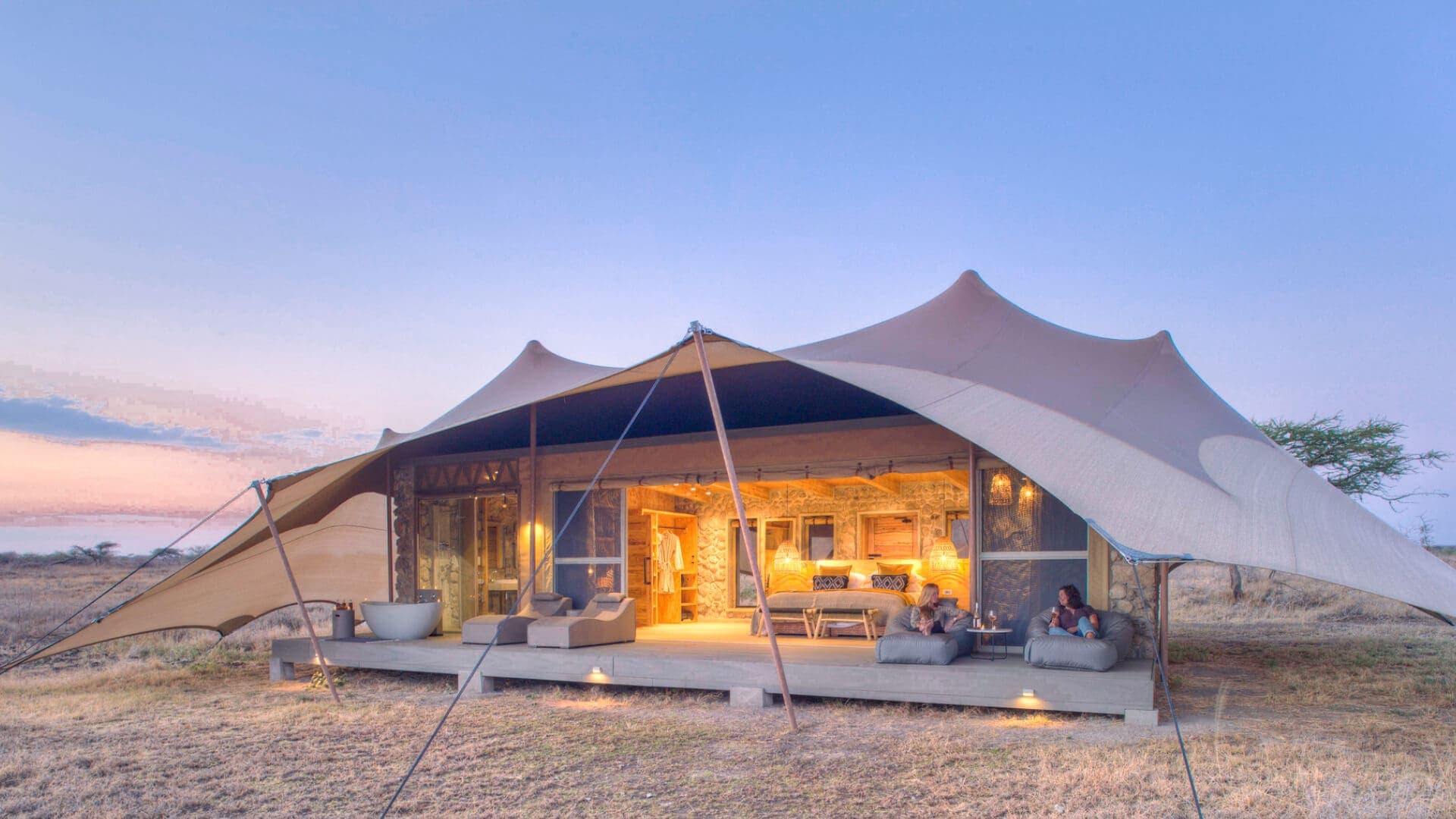
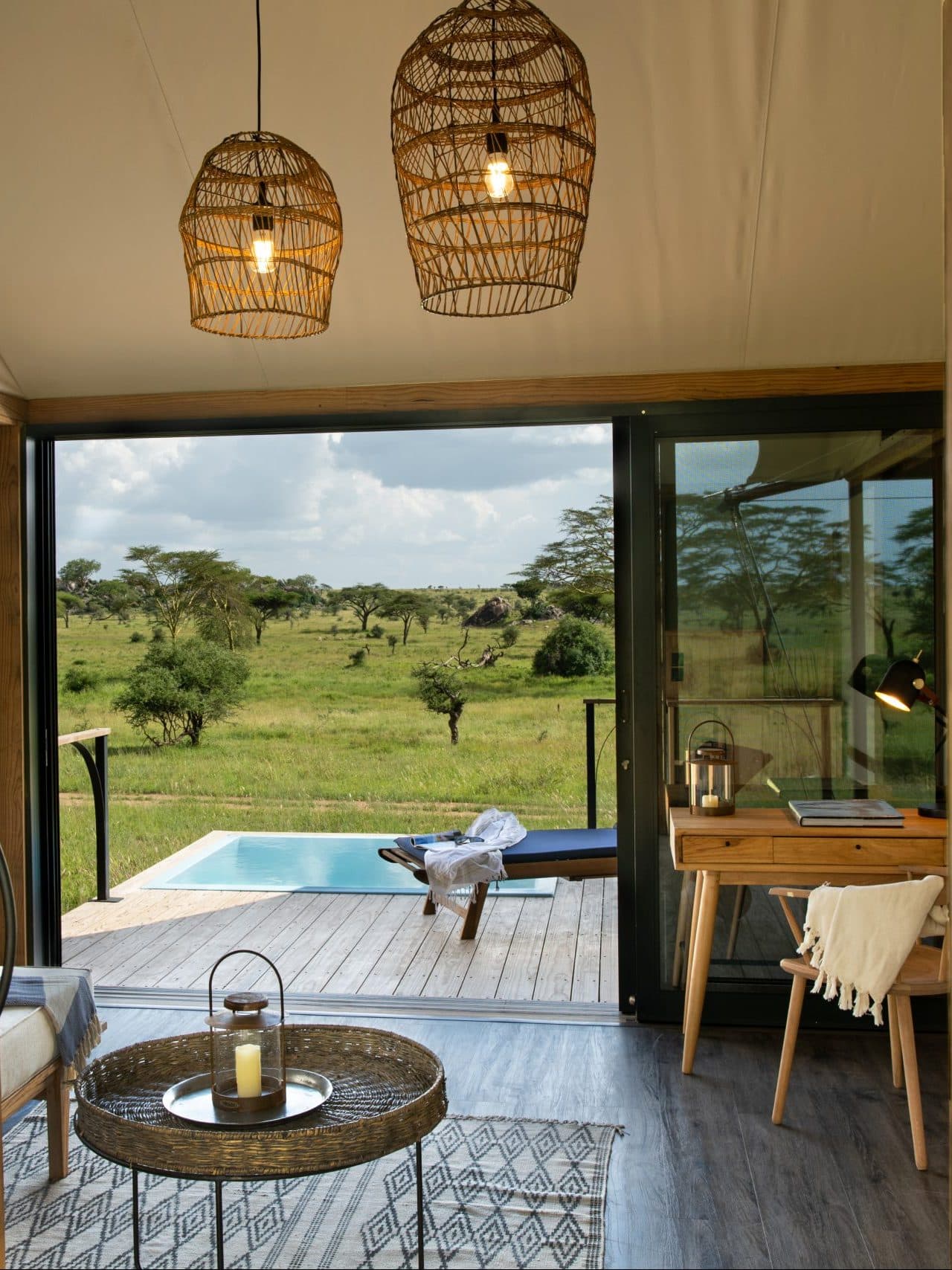
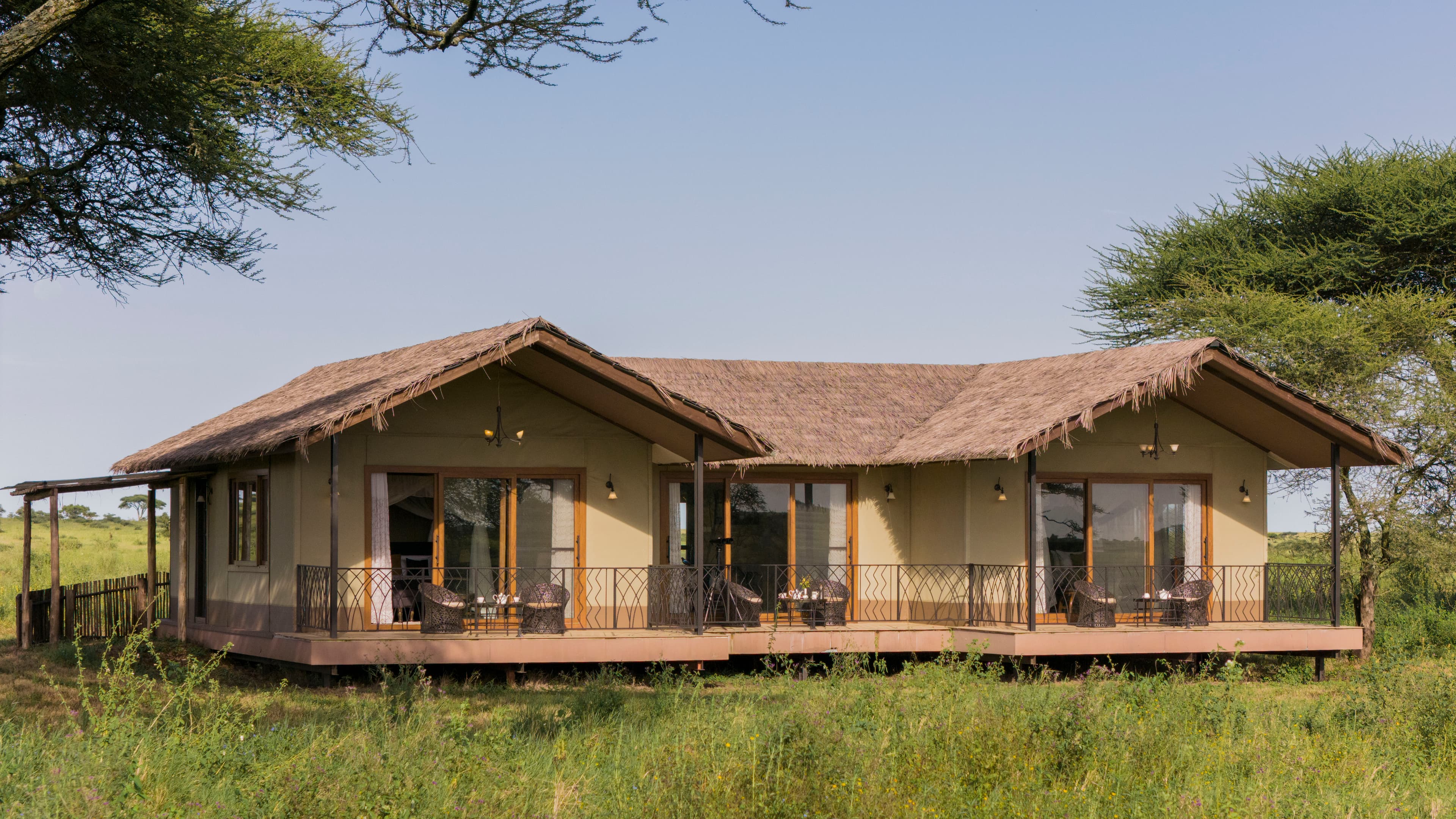
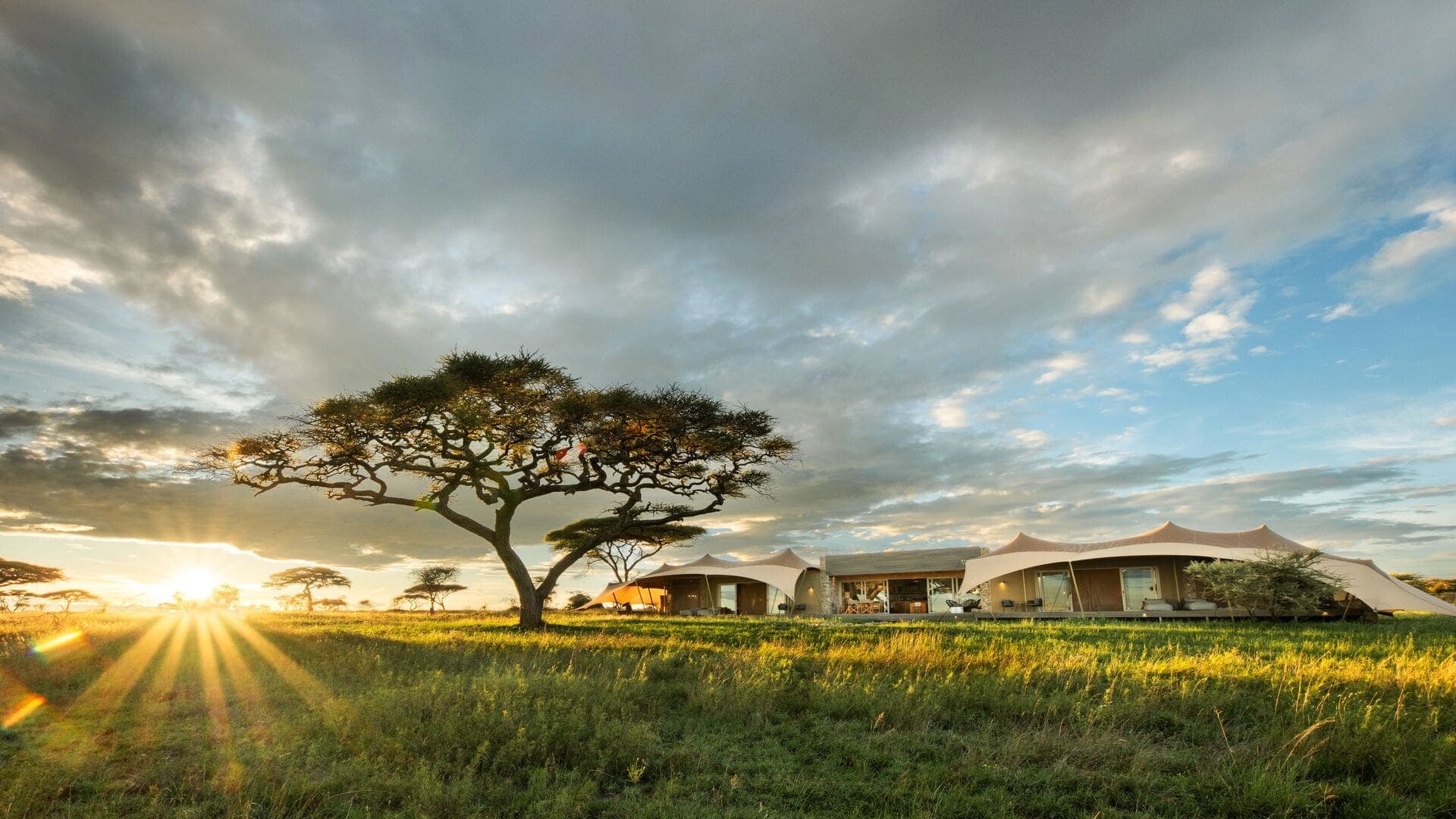
East Serengeti is a vast, remote region characterized by open short-grass plains that serve as a critical calving ground for the Great Migration. It offers a more secluded safari experience compared to the central and northern sectors of the park. The area is renowned for its high concentration of predators, particularly cheetahs, which thrive in the open landscape.
region
Place
Tanzania
Country
Serengeti
Region
4
Nearby stays
What makes this place special
Ideal for operators looking to offer clients a quieter, more exclusive safari experience away from the crowds, with world-class opportunities for predator photography.
01
Great Migration calving season
02
High predator density
03
Expansive short-grass plains
04
Off-the-beaten-path safari experience
05
Exceptional cheetah sightings
06
Remote wilderness atmosphere
Know before you go
Best time to visit
The best time to visit is during the dry season, particularly for the Great Migration movements.
January
4 out of 5 season suitabilityCalving season in the southern plains.
February
5 out of 5 season suitabilityPeak calving season with high predator activity.
March
April
May
June
4 out of 5 season suitabilityStart of the dry season and migration movement.
July
5 out of 5 season suitabilityExcellent wildlife viewing as the dry season intensifies.
August
5 out of 5 season suitabilityPeak dry season with high wildlife concentrations.
September
4 out of 5 season suitabilityGood wildlife viewing, though migration may be moving north.
October
November
December
Access is primarily via light aircraft to local airstrips or by 4x4 vehicle from other parts of the Serengeti. Park entry fees and conservation permits are required for all visitors. The region is best suited for experienced safari-goers seeking solitude and specialized wildlife photography.