Katavi National Park
A remote and rugged Tanzanian wilderness known for its massive buffalo herds and spectacular dry-season wildlife concentrations.
Discover Katavi National Park
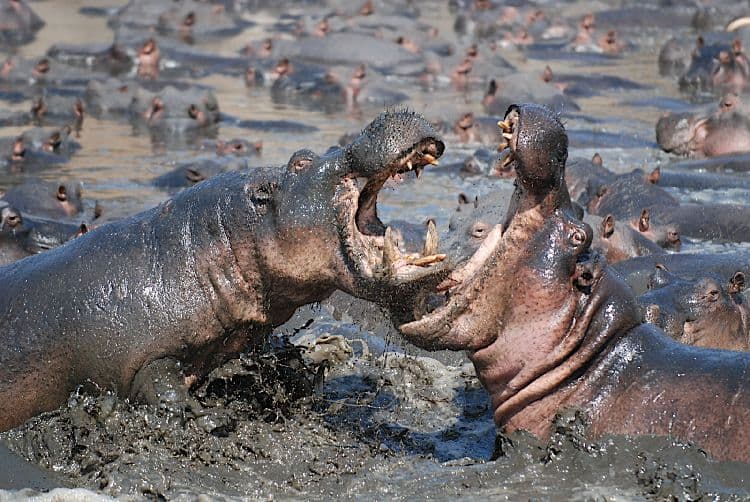
Katavi National Park is one of Tanzania's most remote and least visited parks, offering a truly wild and authentic safari experience. It is characterized by vast floodplains, miombo woodlands, and the Katuma River, which becomes a vital lifeline for wildlife during the dry season. The park is renowned for its high concentration of large mammals, particularly buffalo and hippos.

National Park
Place
Tanzania
Country
Katavi Region
Region
What makes this place special
Ideal for travelers seeking an exclusive, off-the-beaten-path safari experience away from the crowds of the northern circuit.
01
Massive buffalo herds
02
High density of hippos and crocodiles
03
Remote and untouched wilderness
04
Walking safaris
05
Spectacular dry season game viewing
06
Diverse birdlife
Know before you go
Best time to visit
The dry season from June to October is the best time for wildlife viewing as animals congregate around the remaining water sources.
January
February
March
April
May
June
4 out of 5 season suitabilityStart of the dry season with thinning vegetation.
July
5 out of 5 season suitabilityExcellent wildlife viewing as water sources dry up.
August
5 out of 5 season suitabilityPeak season for game viewing and dry weather.
September
5 out of 5 season suitabilityHigh concentration of animals at river pools.
October
4 out of 5 season suitabilityVery hot, but wildlife remains concentrated.
November
December
Access is primarily by light aircraft from Dar es Salaam or Arusha due to the park's remote location. Road access is possible but involves long, arduous journeys. Visitors must obtain park permits and should arrange logistics through specialized safari operators.