Lewa Wildlife Conservancy
A world-renowned private conservancy in Kenya known for its successful rhino conservation and exclusive safari experiences.
Discover Lewa Wildlife Conservancy
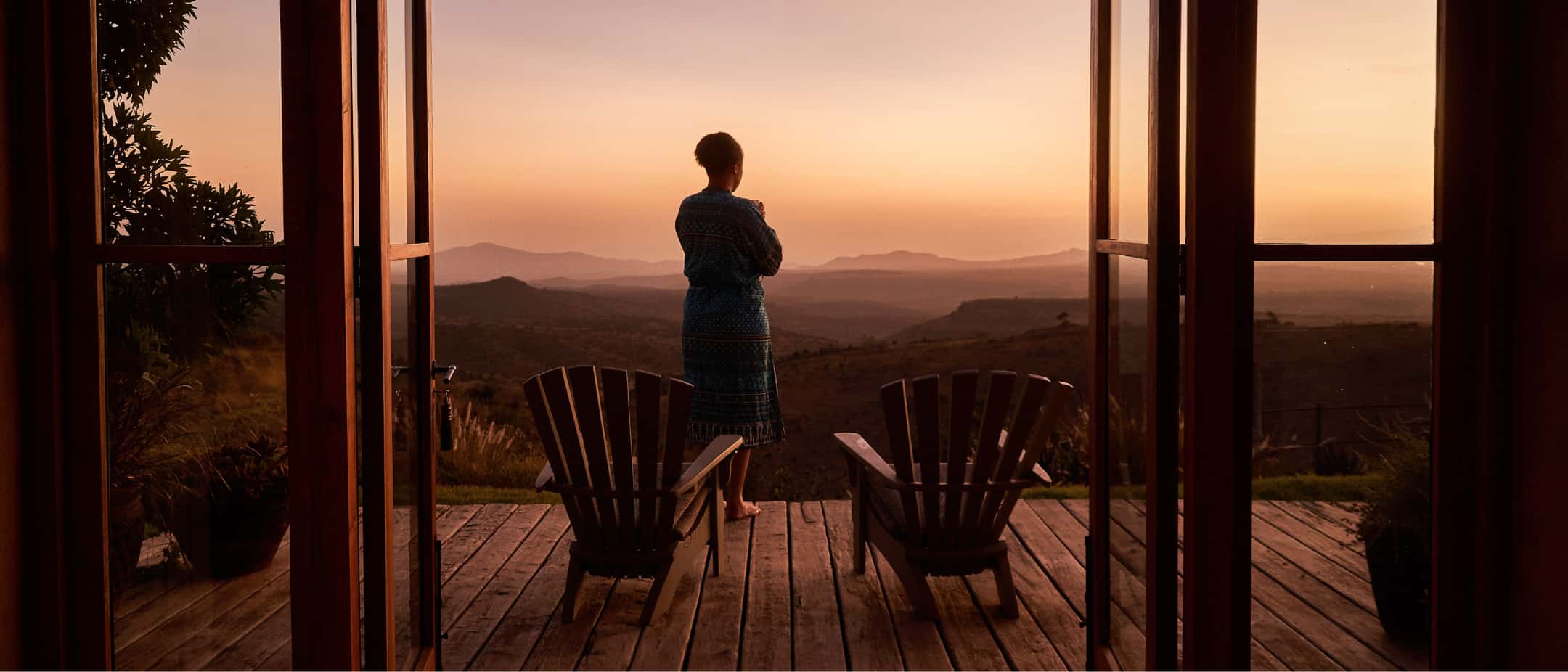
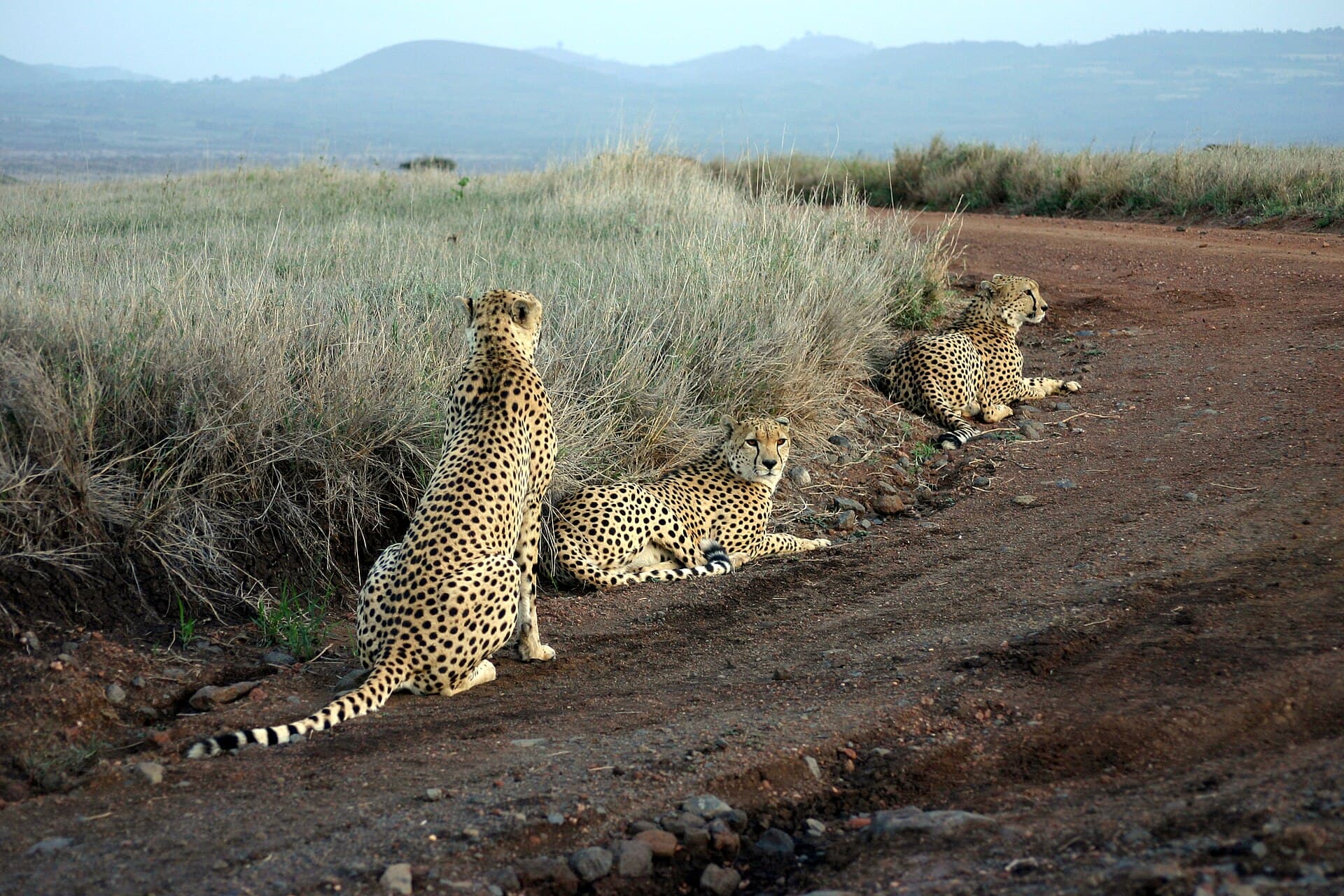
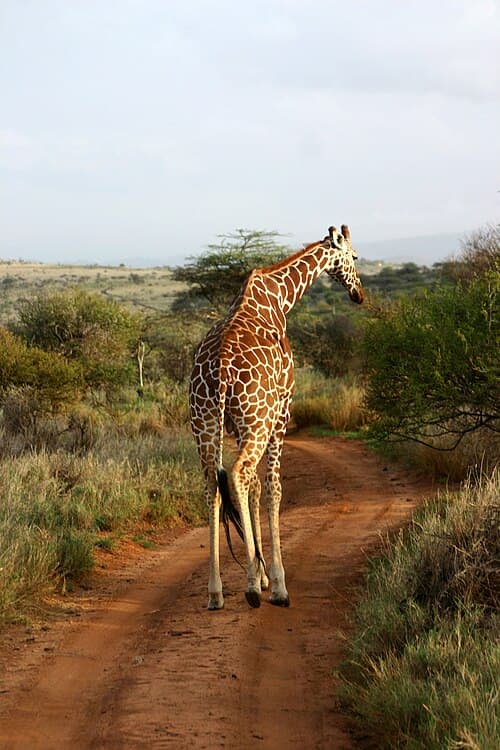
Lewa Wildlife Conservancy is a premier private conservation area in northern Kenya dedicated to the protection of endangered species. It serves as a model for community-based conservation, balancing wildlife protection with local development. The landscape features a mix of acacia woodland, grassland, and riverine forest, providing a diverse habitat for a wide array of African wildlife.
National Park
Place
Kenya
Country
Laikipia County
Region
10
Nearby stays
What makes this place special
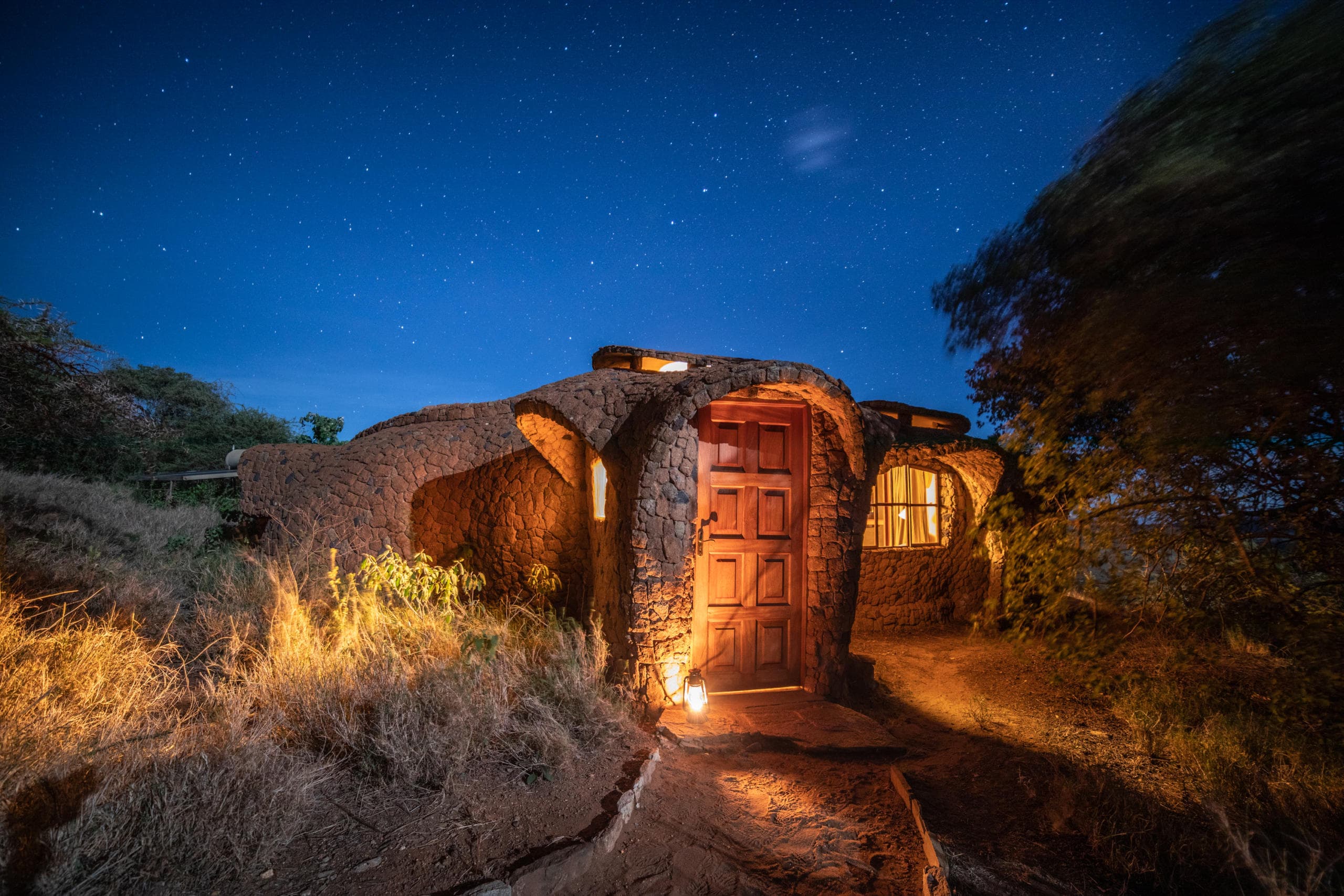
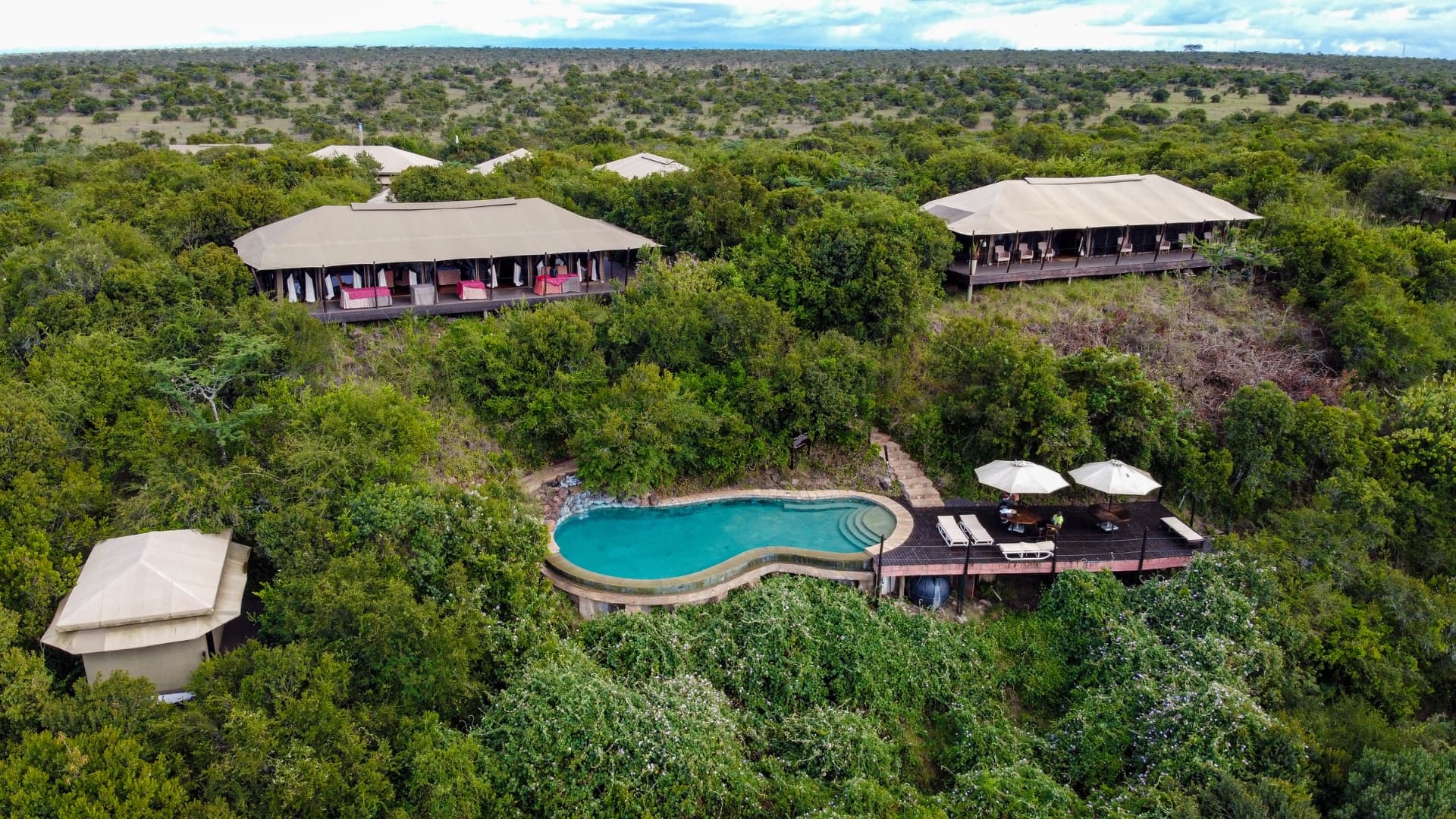
Lewa offers an intimate, high-end safari experience with a strong focus on conservation impact, making it ideal for travelers seeking both luxury and ethical wildlife tourism.
01
Conservation success for black and white rhinos
02
Home to the rare Grevy's zebra
03
Exclusive, low-density safari experience
04
Stunning views of Mount Kenya
05
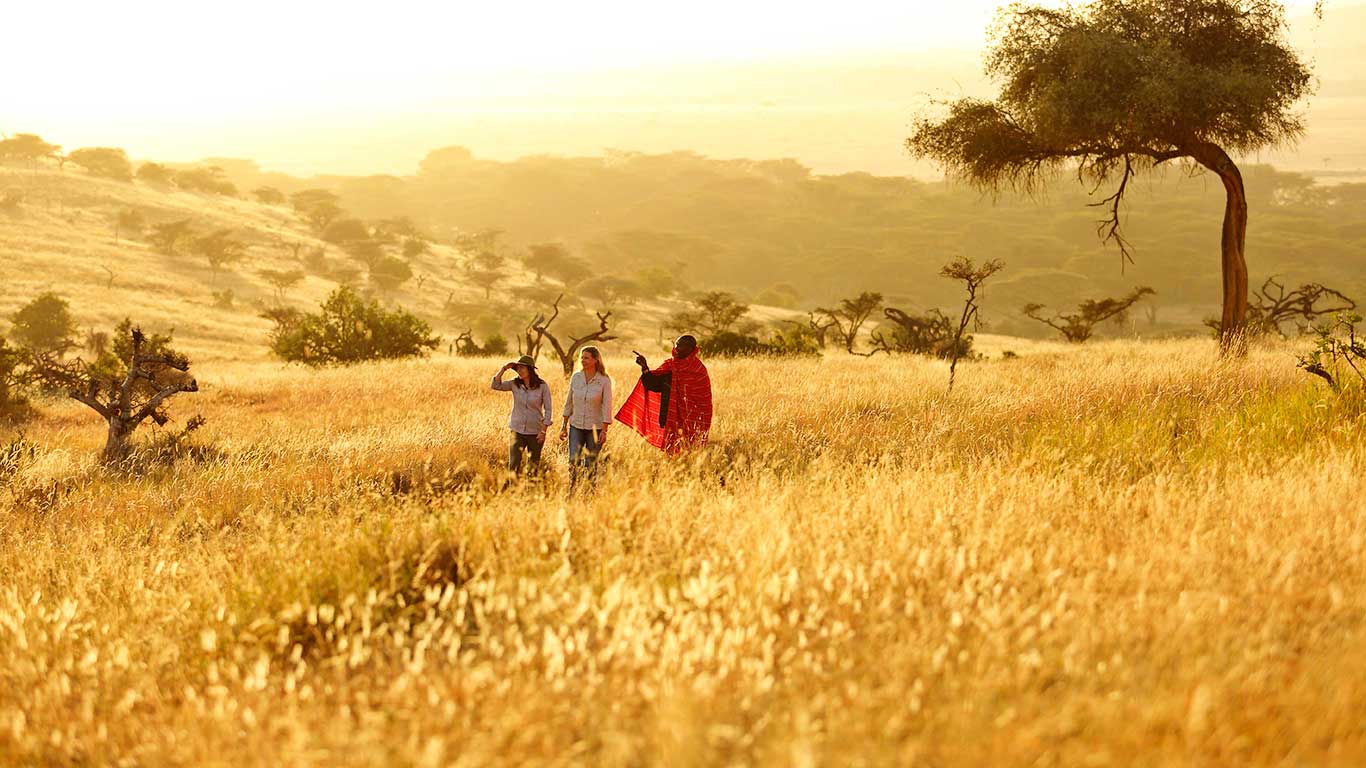
Guided walking safaris and night drives
06
Community-led conservation initiatives
Know before you go
Best time to visit
The best time to visit is during the dry seasons, which offer the best wildlife viewing opportunities.
January
5 out of 5 season suitabilityDry weather makes wildlife easier to spot at waterholes.
February
5 out of 5 season suitabilityExcellent visibility and dry conditions.
March
April
May
June
4 out of 5 season suitabilityStart of the dry season with pleasant temperatures.
July
5 out of 5 season suitabilityPeak dry season with optimal game viewing.
August
5 out of 5 season suitabilityPeak dry season with optimal game viewing.
September
5 out of 5 season suitabilityPeak dry season with optimal game viewing.
October
November
December
Access is typically via light aircraft to the Lewa airstrip or by road from Nairobi. Visitors must stay at one of the conservancy's lodges or camps to access the reserve. Conservation fees are mandatory and support ongoing protection efforts.