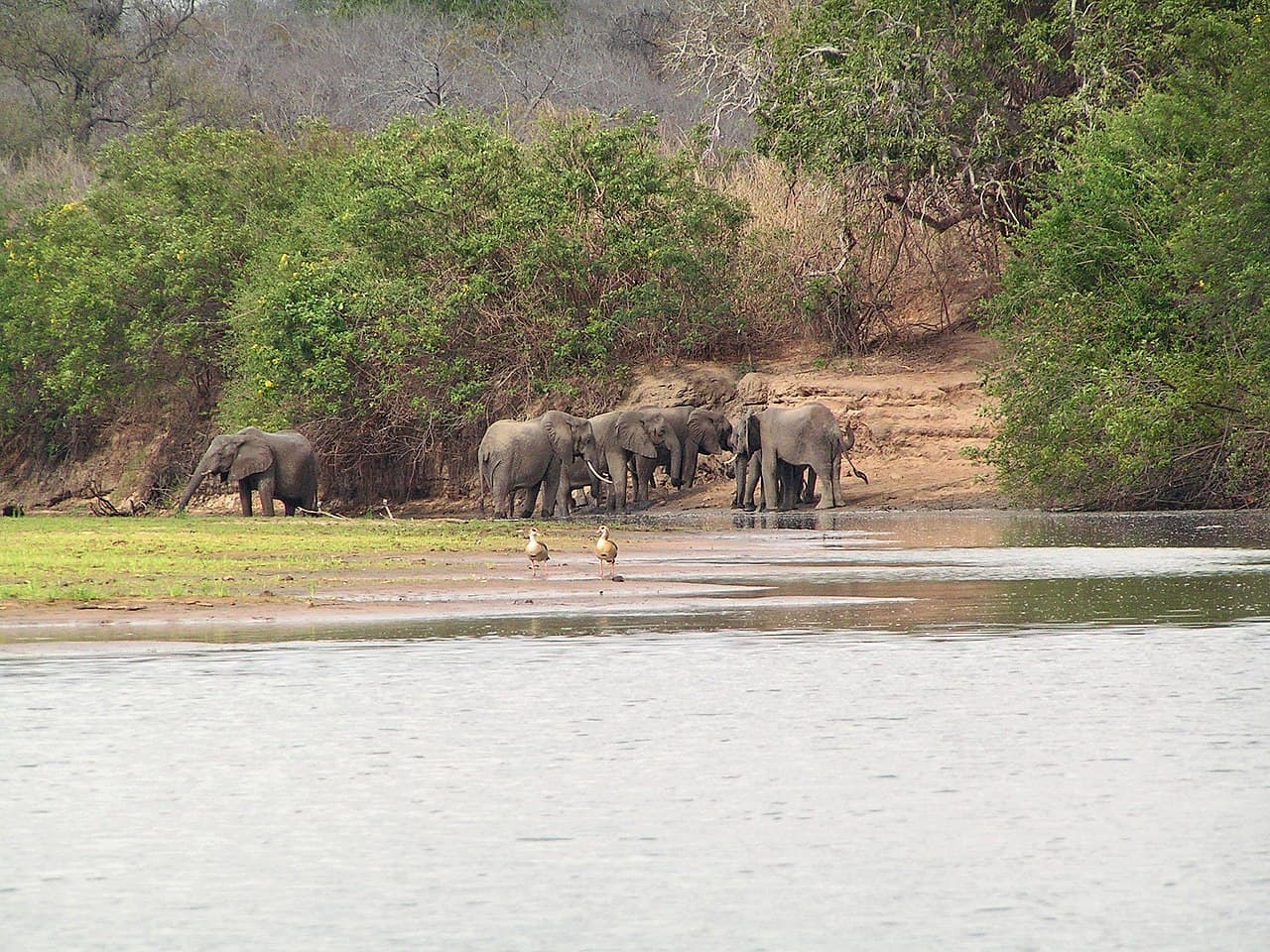
Nyerere National Park
A massive, remote wilderness area in southern Tanzania known for its riverine landscapes and diverse safari activities.
Discover Nyerere National Park
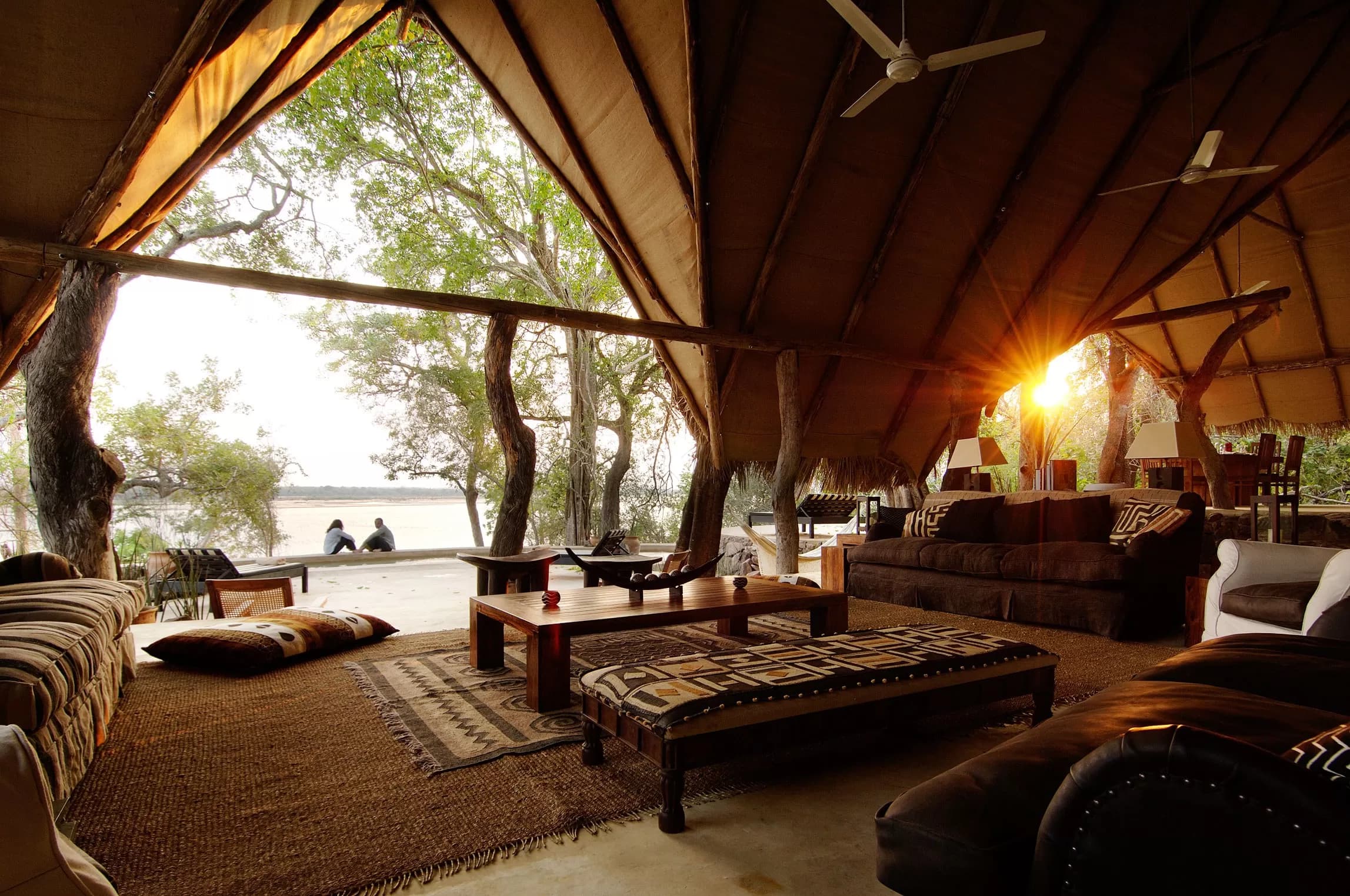
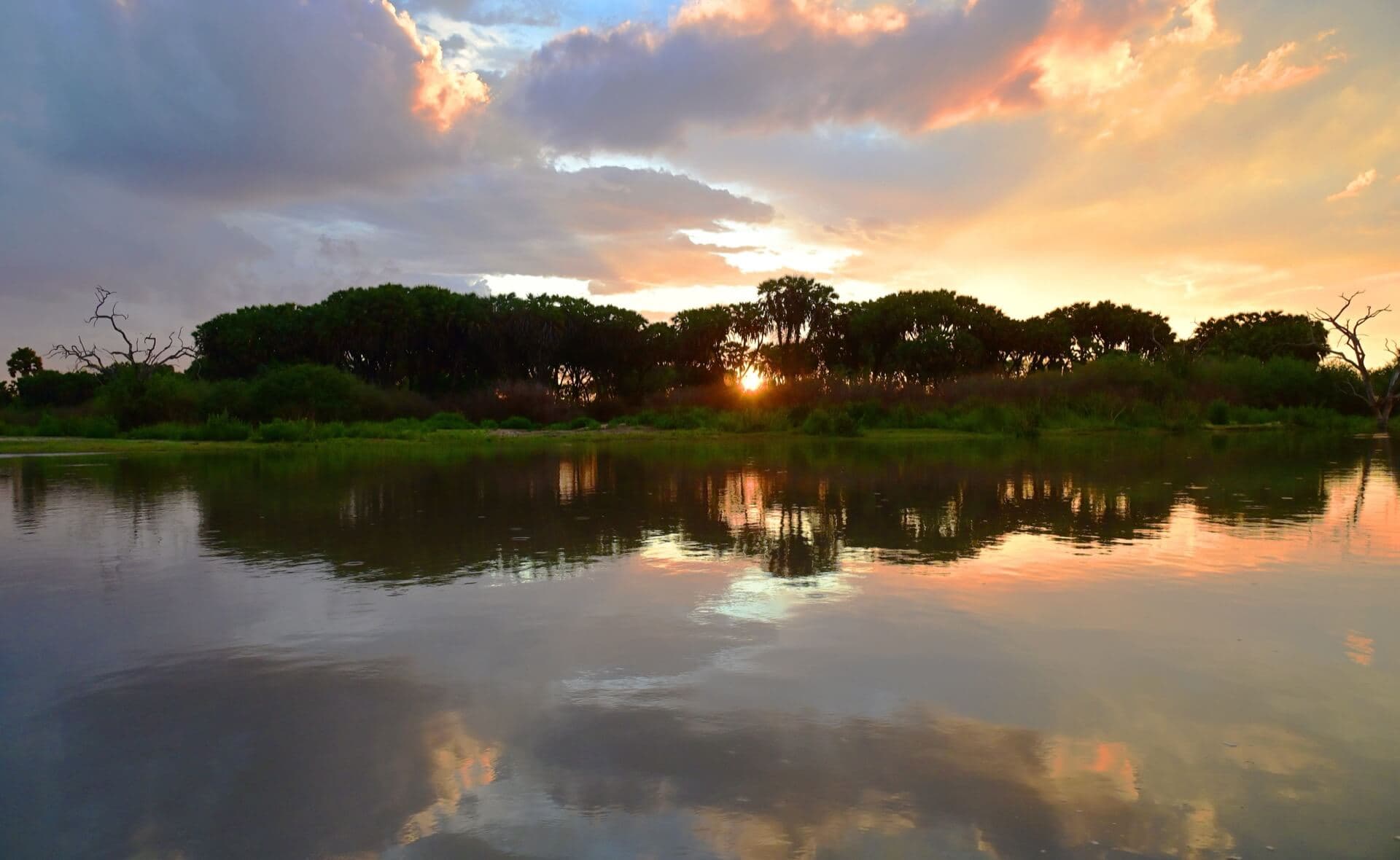
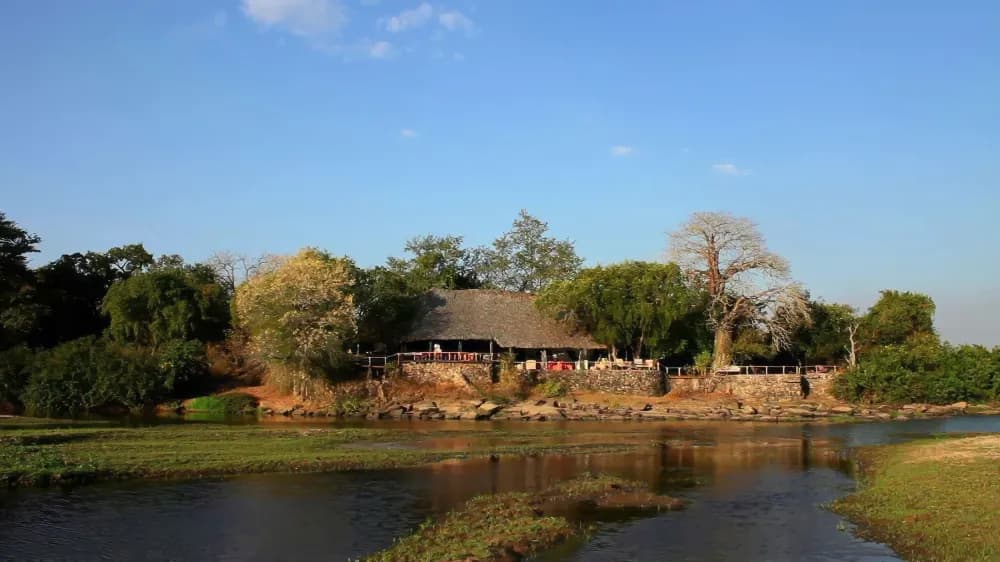
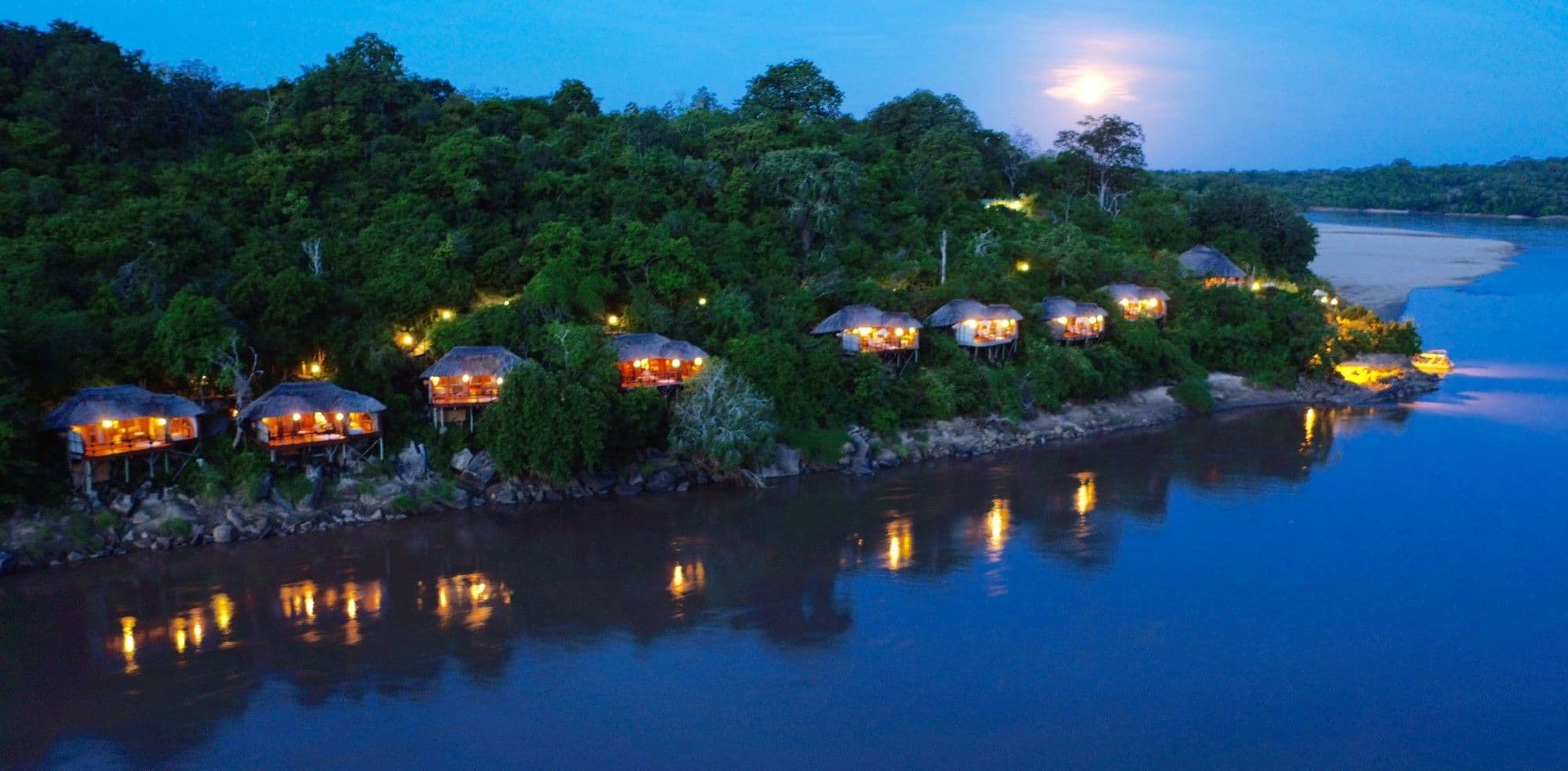
Nyerere National Park is one of the largest protected wildlife areas in Africa, formerly known as the Selous Game Reserve. It is characterized by its vast miombo woodlands, grassy plains, and the life-giving Rufiji River. The park offers a unique safari experience with a focus on walking and water-based activities alongside traditional game drives.
National Park
Place
Tanzania
Country
Lindi, Morogoro, Pwani, Ruvuma, and Mtwara Regions
Region
4
Nearby stays
What makes this place special
Nyerere provides a less crowded, authentic safari experience compared to northern parks, offering exclusive walking safaris and boat excursions that are rarely available elsewhere.
01
Boat safaris on the Rufiji River
02
Walking safaris with expert guides
03
Large populations of African wild dogs
04
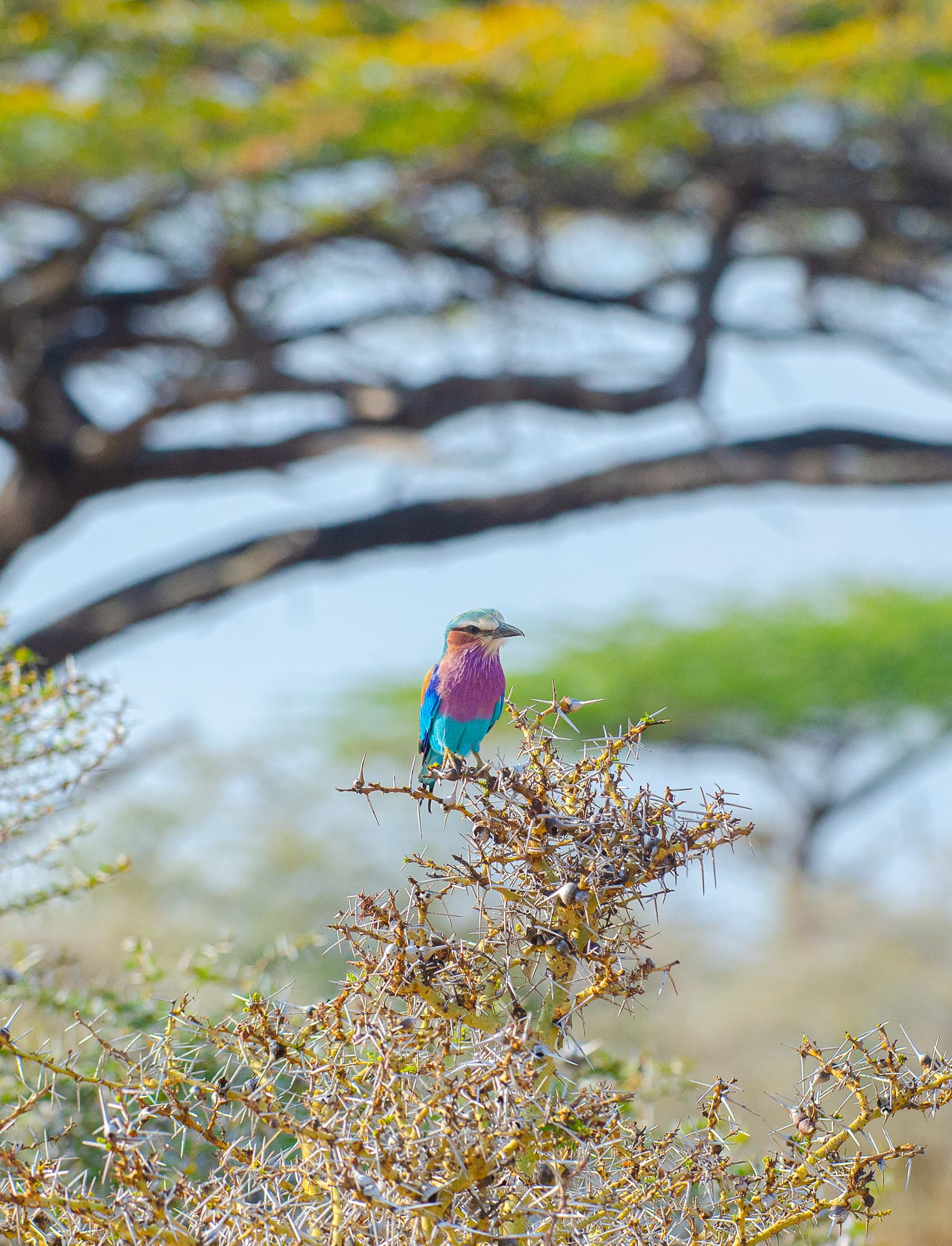
Diverse birdlife and aquatic species
05
Remote and expansive wilderness areas
06
Stiegler's Gorge scenery
Know before you go
Best time to visit
The dry season from June to October is the best time for wildlife viewing as animals congregate around water sources.
January
February
March
April
May
June
4 out of 5 season suitabilityStart of the dry season with thinning vegetation.
July
5 out of 5 season suitabilityExcellent wildlife viewing conditions.
August
5 out of 5 season suitabilityPeak dry season with high animal concentrations.
September
5 out of 5 season suitabilityWarm, dry weather ideal for game drives.
October
4 out of 5 season suitabilityGood viewing before the short rains begin.
November
December
Access is primarily via light aircraft from Dar es Salaam to various bush airstrips within the park. Road access is possible but involves long, rugged journeys. Park entry permits are required and typically managed by tour operators.